In his letters to the churches at Ephesus and Corinth, the apostle Paul tells all Christ followers that God’s Holy Spirit living within us gives us specific and varied spiritual gifts to be used for building and strengthening His Church. Paul’s missionary companion Barnabas consistently and fully applied the spiritual gift of encouragement that he had been given. In fact, the nickname Barnabas that the apostles gave him means “son of encouragement,” reflecting his obedience to God’s calling. Barnabas’ gift of encouragement isn’t as spectacular as some other spiritual gifts like prophecy and healing. But encouragement from the Holy Spirit given through God’s chosen vessels like Barnabas is nevertheless vital to the health and strength of the Church, and indeed the world at large.

In his letter to the church at Colossae, Paul addressed a misconception among them that Jesus can’t be Immanuel – God in human flesh, because their view was that all flesh is inherently evil. Paul reminded them that Jesus – the Word of God – is the instrument by Whom our Three-In-One God created the world. Therefore Jesus was before all things as John reminds us in the introduction of his gospel account. In describing this concept to the Colossians, Paul used the Greek word πρωτεύω) prōteuō – preeminent. In our lives and our belief, Jesus must not only be important. He must be the only and central focus of our entire being. In other words, we must hold Him “Preeminent.”

Colossians and Ephesians were written by Paul the apostle from house arrest in Rome as he awaited his trial before Caesar. We will study this entire letter over the next few weeks. Colossae was a city in Asia Minor which had a large Jewish population including some Jews who had become Christian believers after hearing the Truth of the Gospel of Jesus from Epaphras. Paul wrote this letter to remind the Colossians that salvation in Christ results from knowing Jesus as our personal savior and having a relationship with Him – continually growing in knowledge of God, not from any other “secret” knowledge (Gnosos) or through any form of legalistic works.

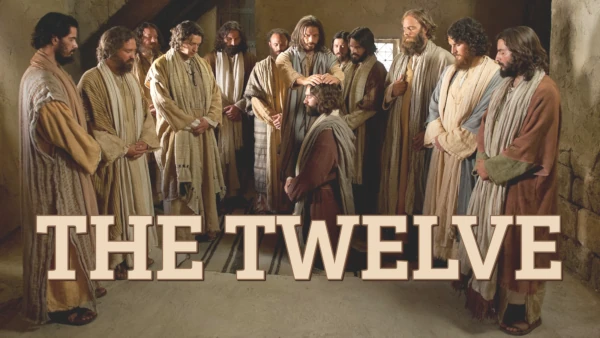
The Twelve apostles of Jesus were not outstanding in any way, at least before they met Jesus. However, Jesus called these men personally. He knew all their flaws, faults, and apprehensions, yet He still chose them.

Properly applying the wisdom of God as found in His Word can assure that we enjoy the blessings of good friends in this life and can help us look forward to enjoying these dear friends in eternity. You know… of all the friendships we could develop, none is better than the one we can have with the One who truly “sticks closer than a brother” – our Lord Jesus Christ!

The full armor of God! Paul, in Ephesians 6 informs us about the armor we GET to put on each day.

 “What is the church?” Most people respond with some reference to a building, but what would be a more succinct answer? The church is not a building but is instead THE PEOPLE who gather at a building for the sole purpose of worshipping God.

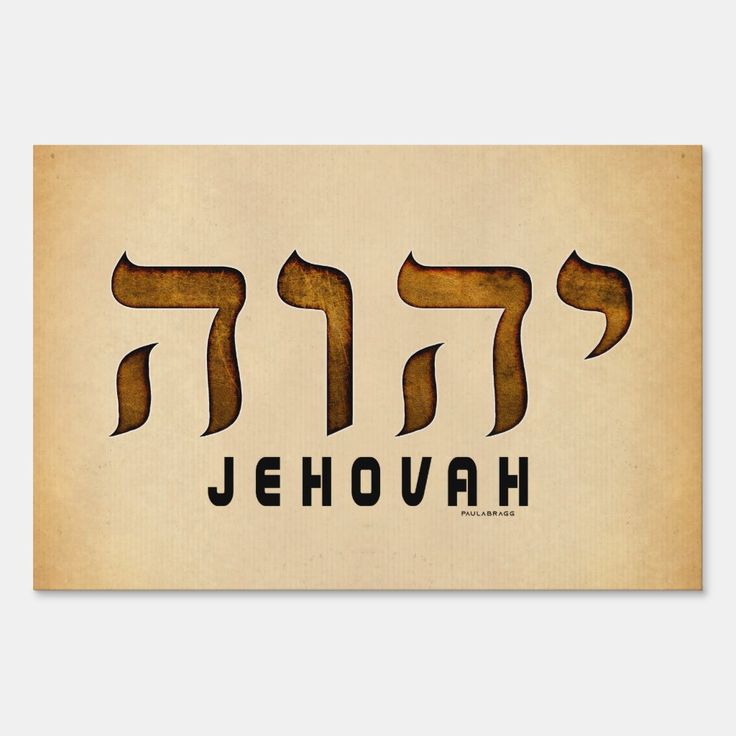
God’s name is unequivocally the most complex and most important name ever! Because of this, we need to recognize the significance of His name and understand that when we speak of God, we are speaking of More Than Just A Name. We are referring to Jehovah, the “Self-Existent One”. Jehovah Elohim, the “Creator”.

What do we mean when we refer to salvation, or to being saved? It means you have been rescued from the inevitable results of living in your sin. It means death is not permanent. It means, because of Jesus and His work on the cross of sacrifice, in the tomb of victory, and through the hope of a heavenly future, you do not have to go to hell.

Jesus taught two more parables concerning stewardship – one about a landowner who left his land in care of others until the time of harvest and anther about a man who had two sons, one of whom said he would obey his father but did not while the other said he would not obey, but in the end actually did his father’s will. Clearly the men in these parables symbolize God while the other characters in the stories represent the priests and scribes to whom God had entrusted the care of His people Israel.