A special meeting of church members will be held immediately following our morning worship service on Sunday, October 25th to choose between the proposed designs submitted by the church expansion team at our last quarterly business meeting. Please contact Pastor Brian with any questions or concerns.

In John’s Gospel, Jesus makes some metaphorical statements which help us see that Jesus is More Than Just a Name. These powerful proclamations help us better understand who He is and help us see God’s purpose for Him.

2 Woes for the Pharisees

This message focuses on Jesus’ birth account, where He is referred to with an earthly name as well as an eternal and divine name. Do you see Jesus as “The Lord is Salvation” or as “Jesus the Christ”? In Matthew’s Gospel we see the use of Jesus’ human, earthly name, in conjunction with His divine name. When taken together, it is safe to conclude that Matthew wants us to know that Yeshua is ““The Lord who saves is the One appointed by God.”

The Seven Woes: Introduction

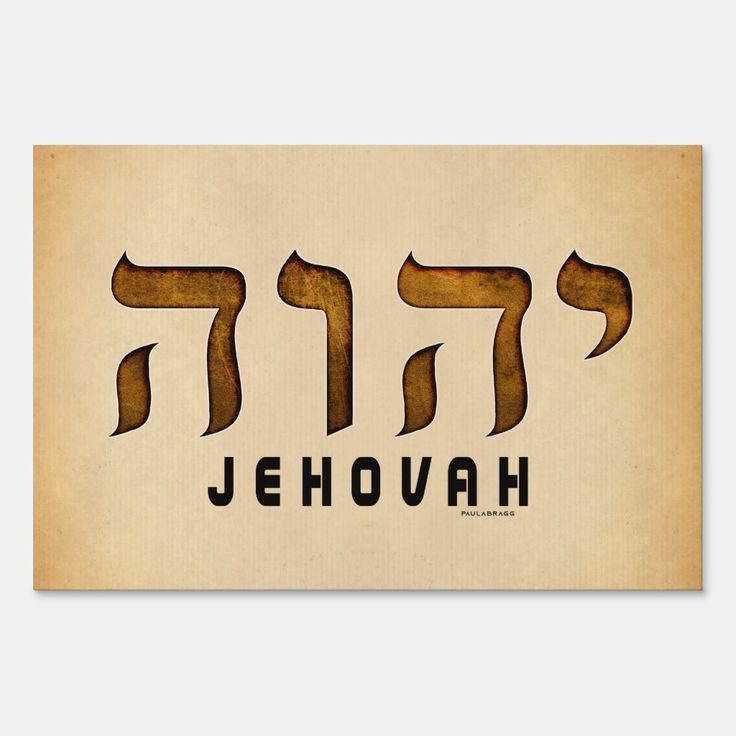
God’s name is unequivocally the most complex and most important name ever! Because of this, we need to recognize the significance of His name and understand that when we speak of God, we are speaking of More Than Just A Name. We are referring to Jehovah, the “Self-Existent One”. Jehovah Elohim, the “Creator”.

In this passage, we find Jesus answering some “questions” posed to Him by the Sadducees and Pharisees who asked them not because they were genuinely seeking to learn from His wisdom, but because they desired to catch Him in His words so they could smear His character in the minds of His followers and the others who were crowded around listening.

It’s more than just a name… Everything is in that name: reality, eternity, life, magnificence, glory, and it all can be had when you have a genuine relationship to the living God. To know the names of God is to know God as revealed in His Word.

What do we mean when we refer to salvation, or to being saved? It means you have been rescued from the inevitable results of living in your sin. It means death is not permanent. It means, because of Jesus and His work on the cross of sacrifice, in the tomb of victory, and through the hope of a heavenly future, you do not have to go to hell.

In this passage, we find Jesus teaching the parable of the wedding feast which was clearly directed toward the hypocritical and self-righteous Jewish leaders of the day who largely failed to recognize Him as their Messiah despite their clear invitation to join Him in His “wedding feast.” Afterward, we see them once more trying to discredit Him by asking whether it was “lawful” to pay taxes to the Roman occupiers. No doubt they saw their ploy as a dilemma from which Jesus could make no good choice, but Jesus didn’t fall into their trap.

The plan for man’s salvation was established from the very beginning. Foretold through the prophets, fulfilled by Jesus during the events of Passion Week, and continually echoed today through the apostle’s writings. Let us never forget that Jesus was the plan from the beginning.