In this second part of the “Olivet Discourse” Jesus continues His answer to His disciples’ question concerning the signs of the end of the age and of His coming again. In particular, Jesus speaks of the “abomination which causes desolation” written of by Daniel the prophet.

In His parable of the workers in the vineyard, Jesus admonishes us to refrain from comparing ourselves to others, but to faithfully serve our LORD being grateful and joyful for the the rewards He has granted us without falling into the temptation of covetousness regarding the rewards He has granted to His other servants.

The Olivet Discourse – Introduction

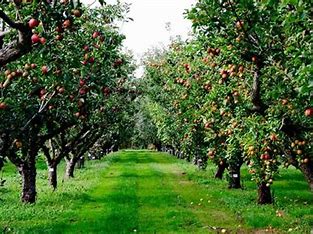
What are my trees? Are they planted and being nurtured properly? Am I neglecting areas of my life and allowing those areas to be producers of bad fruit? Are there things in my life that grieve the Spirit of God? If so, and there are. How do I make corrections when and where needed?

 “What is the church?” Most people respond with some reference to a building, but what would be a more succinct answer? The church is not a building but is instead THE PEOPLE who gather at a building for the sole purpose of worshipping God.

When you include regular prayer and fasting as part of your relationship with Jesus, you will not regret it. God is faithful, He is just, and He always fulfills His promises. Especially for those who are closest to Him. You want to be closer to Jesus, start praying daily and adding in fasting for more urgent matters.

Today, more than ever in history, Christians need to understand the significance of the Holy Spirit’s presence in their heart. Once understood, the believer will begin to truly experience, not just His presence, but also His powerful work. There is nothing more reassuring and peaceful in life than experiencing the powerful presence of God’s Spirit as He works in our daily lives.

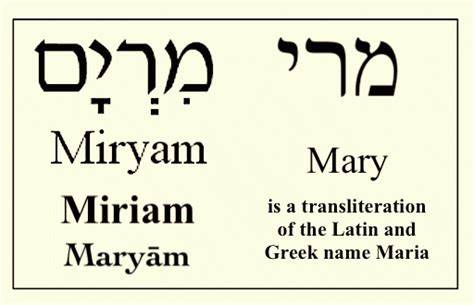
When we take the time to consider Mary’s background, and the manner with which she managed the big assignment from God, we learn some things about her character and can use these lessons to help us grow in our relationship with God.

In this passage, Jesus continues to pronounce His seven “woes” upon the Jewish leaders of the day whom He repeatedly calls “blind guides,” “serpent,” and “hypocrites.” Toward the end of the passage, we find Jesus almost breaking down under the burden of His sorrow over His chosen people who just don’t understand the nature of His Gospel and failed to recognize their long-awaited Messiah in the hour of their visitation.

2 Woes for the Pharisees